What if the root cause of aging starts inside your cells' power plants?

Most aging research focuses on hormones, inflammation, or genetics. But researchers are increasingly pointing to something more fundamental: mitochondrial decline.
Two peptides - MOTS-c and SS-31 - are at the center of that investigation. One is encoded inside mitochondrial DNA itself. The other was purpose-built to physically repair the mitochondrial membrane from the inside.
They work through completely different mechanisms. That's exactly what makes them so interesting.
Helix Havoc MOT-C 10mg – Research Peptide
Helix Havoc SS-31 10mg – Research Peptide
Why Mitochondrial Decline Matters
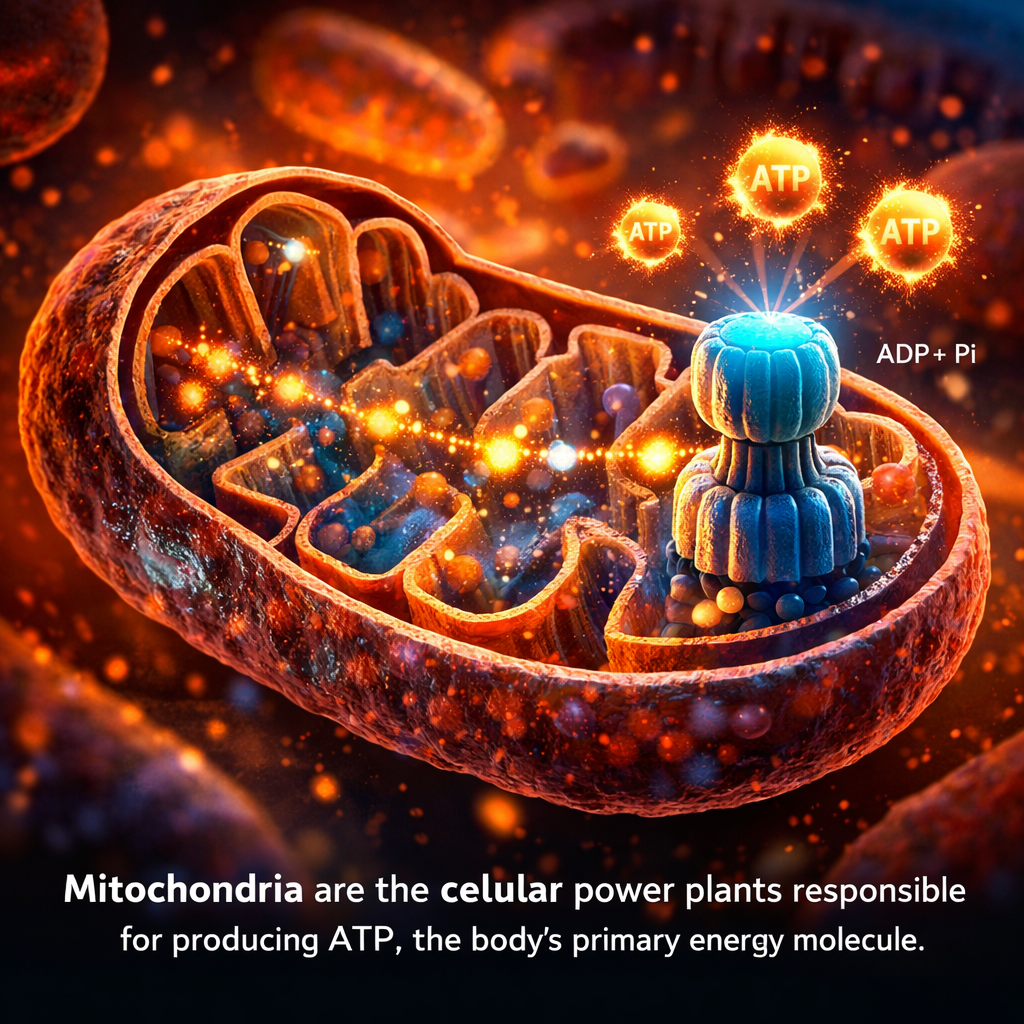
Mitochondria produce ATP (the molecule that powers every biological process in the body.)
But as they age, several things go wrong:
- Inner membrane integrity breaks down
- Electron transport becomes inefficient
- Reactive oxygen species (ROS) accumulate faster than cells can clear them
- ATP output falls
Researchers increasingly view mitochondrial dysfunction not as a side effect of aging but as a central driver of it, contributing to metabolic syndrome, heart failure, and neurodegeneration.
MOTS-c: The Peptide Written Into Your Mitochondrial DNA
MOTS-c is a 16-amino-acid peptide discovered in 2015 -and what makes it unusual is where it comes from.
It isn't encoded in nuclear DNA. It's encoded in mitochondrial DNA, the small genome inherited exclusively from your mother, housed inside the mitochondria themselves.
Scientists assumed mitochondrial DNA mostly handled energy production. Finding a signaling peptide there changed that assumption entirely.
MOTS-c belongs to a new class of molecules called mitokines - signals the mitochondria use to communicate their status to the rest of the cell and to distant tissues.
How It Works
MOTS-c activates AMPK — the cell's primary energy sensor. When triggered, the cell responds by:
- Increasing glucose uptake
- Enhancing fat oxidation
- Improving insulin sensitivity
- Promoting the growth of new mitochondria
In simple terms: MOTS-c mimics many of the metabolic responses your body produces during exercise. Researchers have called it an "exercise mimetic" peptide.
Under metabolic stress, it also travels into the cell nucleus within 30 minutes and directly regulates gene expression, behavior once considered impossible for a mitochondria-derived peptide.
What the Research Shows
- 2015: Prevented obesity and improved insulin sensitivity by ~30% in animal models
- 2021: Exercise produces an 11.9-fold increase in skeletal muscle MOTS-c levels
- 2022: A single dose improved running time by 12% and distance by 15% in animal models
- 2025: Shown to prevent pancreatic islet cell senescence and delay diabetes onset
- 2025: Restored mitochondrial respiration in type 2 diabetic heart tissue
Human data is early. One 12-week study in 20 participants showed improved insulin sensitivity by ~20% and reduced inflammatory markers.
SS-31: Engineering a Mitochondrial Repair Agent
SS-31 (elamipretide) is a synthetic tetrapeptide designed to solve one specific problem: how do you protect mitochondrial membranes from damage at the source?
Once administered, it accumulates inside mitochondria at concentrations over 1,000-fold higher than the surrounding cytoplasm.
How It Works
SS-31 binds to cardiolipin - a phospholipid found almost exclusively in the inner mitochondrial membrane that stabilizes the protein complexes responsible for ATP production.
When cardiolipin is damaged by oxidative stress, the electron transport chain destabilizes, energy production becomes inefficient, and ROS generation accelerates.
SS-31 physically binds to cardiolipin and prevents that damage cascade.
In simple terms:
SS-31 stabilizes the mitochondrial membrane so the energy machinery inside can function properly again.
What the Research Shows
- Heart failure: Multiple Phase II and III trials. Improved cardiac function in the TAZPOWER and PROGRESS-HF studies by restoring mitochondrial efficiency in heart muscle cells
- Barth Syndrome: A genetic cardiolipin deficiency, the exact defect SS-31 targets. Phase III data showed trends toward cardiac improvement
- Ischemia-reperfusion: Protected mitochondria in kidney, heart, and brain models during the high-ROS reperfusion window
- Skeletal muscle aging: 8 weeks reversed age-related redox stress and improved exercise tolerance in aged mice
- Also studied in cognitive protection, glaucoma, and neurodegenerative conditions
Safety across multiple trials: well tolerated, with mild injection-site reactions as the most common adverse effect.
MOTS-c vs. SS-31: Different Problems, Different Solutions
These compounds are not interchangeable.
MOTS-c: Metabolic Signaling Activates AMPK, mimics exercise, addresses insulin resistance and metabolic decline. Works upstream and adaptively over time.
SS-31: Structural Repair Binds cardiolipin, stabilizes the electron transport chain, reduces ROS. Works within minutes in high-energy-demand tissues — heart, brain, kidney, muscle.
In simple terms:
SS-31 fixes the structure. MOTS-c reprograms the system.
Researchers study them together because they address different failure points, not because they do the same thing.
Potential Research Applications
Both peptides are being investigated across conditions where mitochondrial dysfunction plays a central role:
- Metabolic syndrome and insulin resistance
- Cardiovascular health
- Age-related muscle decline
- Neurodegenerative disorders
- Exercise performance and recovery
- Diabetes biology
Disclaimer
MOTS-c and SS-31 (elamipretide) are research compounds. Products referenced are intended for laboratory research purposes only and are not approved for human consumption.