What if fatigue starts inside your cells?
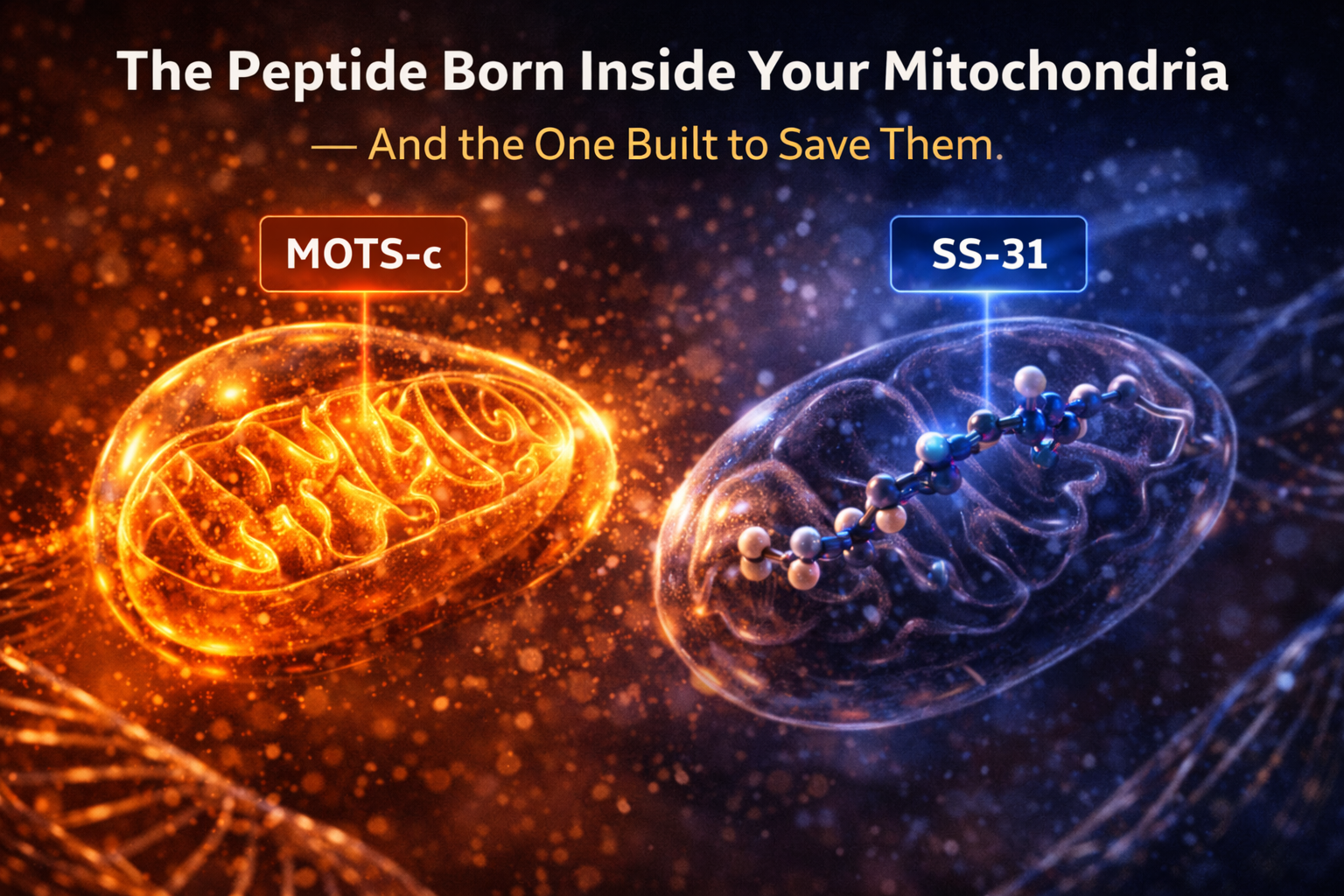
In recent years, mitochondrial-targeted peptides have gained attention for their potential to improve how cells generate and use energy. One of the most studied compounds in this category is SS-31 (also called elamipretide)—a small peptide designed to directly support mitochondrial health.
Because mitochondria are the primary energy generators in the body, improving their function can significantly impact energy production, metabolic efficiency, and overall cellular performance.
Helix Havoc SS-31 10mg – Research Peptide
Understanding Cellular Energy: The Role of Mitochondria
Every cell in the body relies on mitochondria to produce ATP (adenosine triphosphate), the molecule that powers biological processes—from muscle contraction to brain activity.
Inside mitochondria, energy is generated through a process called oxidative phosphorylation, where electrons move through the electron transport chain to produce ATP.
However, this process can become inefficient due to:
- Oxidative stress
- Aging
- Mitochondrial membrane damage
- Loss of structural lipids such as cardiolipin
When these disruptions occur, mitochondria may produce less ATP and more reactive oxygen species (ROS), reducing cellular energy efficiency.
What Is SS-31?
SS-31 is a mitochondria-targeted tetrapeptide specifically designed to accumulate within the inner mitochondrial membrane. It binds to cardiolipin, a unique phospholipid that plays a critical role in maintaining mitochondrial structure and function.
Cardiolipin helps organize the protein complexes responsible for ATP production. When cardiolipin becomes oxidized or damaged, mitochondrial efficiency declines.
SS-31 works by stabilizing cardiolipin and protecting the mitochondrial membrane, helping restore optimal conditions for energy production.
How SS-31 Improves Energy Efficiency
1. Stabilizes the Mitochondrial Membrane
Cardiolipin is essential for maintaining the structure of the inner mitochondrial membrane and anchoring proteins involved in ATP generation.
SS-31 binds to cardiolipin, helping preserve the membrane architecture and supporting efficient electron transport.
This stabilization allows mitochondria to operate closer to their optimal energy-producing state.
2. Enhances ATP Production
When mitochondrial structure is restored, the electron transport chain operates more efficiently, leading to improved ATP synthesis.
Research shows that SS-31 interacts with mitochondrial proteins involved in ATP production and metabolic pathways, supporting improved mitochondrial function.
In simple terms:
better mitochondrial structure → improved electron flow → more cellular energy.
3. Reduces Energy Loss
A key problem in dysfunctional mitochondria is proton leak, where energy from the electron transport chain is lost as heat rather than used to produce ATP.
SS-31 has been shown to reduce this proton leak, improving the coupling efficiency of mitochondrial respiration.
This means more of the energy produced by cells is converted into usable ATP rather than wasted.
4. Lowers Oxidative Stress
During inefficient mitochondrial respiration, electrons can escape the electron transport chain and form reactive oxygen species (ROS).
SS-31 helps reduce ROS formation by improving electron transport efficiency and protecting mitochondrial lipids from oxidation.
Lower oxidative stress supports healthier mitochondria and sustained energy production over time.
Potential Applications of SS-31
Because mitochondrial dysfunction plays a role in many conditions, SS-31 has been investigated in several research areas, including:
- Age-related mitochondrial decline
- Cardiovascular health
- Neurodegenerative disorders
- Skeletal muscle fatigue
- Metabolic dysfunction
Studies suggest that improving mitochondrial efficiency can enhance cellular resilience and metabolic performance, particularly in tissues with high energy demands like the heart, brain, and muscles.
The Future of Mitochondrial Optimization
SS-31 represents a new category of therapeutics aimed not at individual symptoms but at cellular energy systems themselves.
By targeting the mitochondrial membrane and cardiolipin, this peptide helps restore the efficiency of ATP production while reducing oxidative stress—two key factors in maintaining cellular vitality.
As research continues, mitochondrial peptides like SS-31 may play an increasingly important role in strategies focused on energy metabolism, performance, and healthy aging.
Disclaimer
SS-31 (elamipretide) is a research compound. Products referenced are intended for laboratory research purposes only and are not approved for human consumption.