Powerful Tools, Not Magic Fixes—Your Lifestyle Is the Real Formula.

A consistent sleep routine

Structured workouts

Stress Management
Peptides have become an important area of scientific interest due to their potential roles in metabolic research, recovery studies, cellular signaling, and performance-related investigations. While peptides can influence specific biological pathways, it is important to understand that they operate within the broader context of an individual’s overall physiological environment. Peptides do not work in isolation—factors such as nutrition, physical activity, sleep, and general health can influence how the body responds to any biological signal.
This article outlines the scientific relationship between peptides and lifestyle variables, offering an objective overview for educational and research purposes.
What Peptides Are and How They Function
Peptides are short chains of amino acids that act as signaling molecules. They help regulate communication between cells and support numerous biological processes. Some categories of peptides are being explored for their potential roles in:
- Recovery and tissue repair
- Metabolic signaling
- Cognitive and sleep-related pathways
- Skin and collagen support
- General wellness research
Each peptide interacts with specific receptors or pathways, meaning its influence depends on how responsive the body is to that signal.
Why Lifestyle Factors Matter in Peptide Research
Peptides can only act within the environment they are introduced into. This means that the body’s internal conditions—shaped by daily habits—play a significant role in determining how any biological signaling process behaves. Below are key lifestyle components that research has shown to influence peptide-related pathways:
1. Nutritional Status
Proper nutrient availability affects hormone function, energy balance, and cellular repair.
If the body lacks essential nutrients, signaling molecules (including peptides) may not operate as efficiently because the supporting metabolic infrastructure is compromised.
2. Physical Activity Levels
Movement influences muscle signaling, insulin sensitivity, blood flow, and cellular turnover.
Peptide-related pathways often rely on these physiological responses, which means activity levels can either enhance or limit the body’s ability to respond to certain signals.
3. Sleep and Recovery
Many regulatory and restorative processes occur during sleep, including protein synthesis and hormone regulation.
Inadequate rest may alter how the body interacts with signaling molecules.
4. Stress and Hormonal Balance
Chronic stress affects cortisol levels, inflammation, and metabolic function.
These factors can interfere with natural cellular signaling, including pathways influenced by peptides.
Peptides as Part of a Larger Biological System
Peptides do not create outcomes on their own; they participate in existing physiological systems. Their potential effectiveness depends on:
- Receptor availability
- Metabolic condition
- Hormonal environment
- Nutrient status
- Cellular health
For this reason, peptides are better understood as a supporting mechanism rather than a standalone solution. Their influence is interconnected with the body’s overall state and the daily inputs that shape it.
The Importance of an Integrated Biological Environment
Scientific research consistently demonstrates that biological processes function best when supported by stable systems. When studying peptides, scientists often examine how they behave under different conditions because factors like food intake, movement, and stress levels can modify the outcomes.
Understanding this interconnectedness allows researchers and individuals to have realistic, evidence-based expectations about what peptides can and cannot contribute to a wellness or performance-related protocol.
Helix Havoc Labs: Committed to Education & Transparency
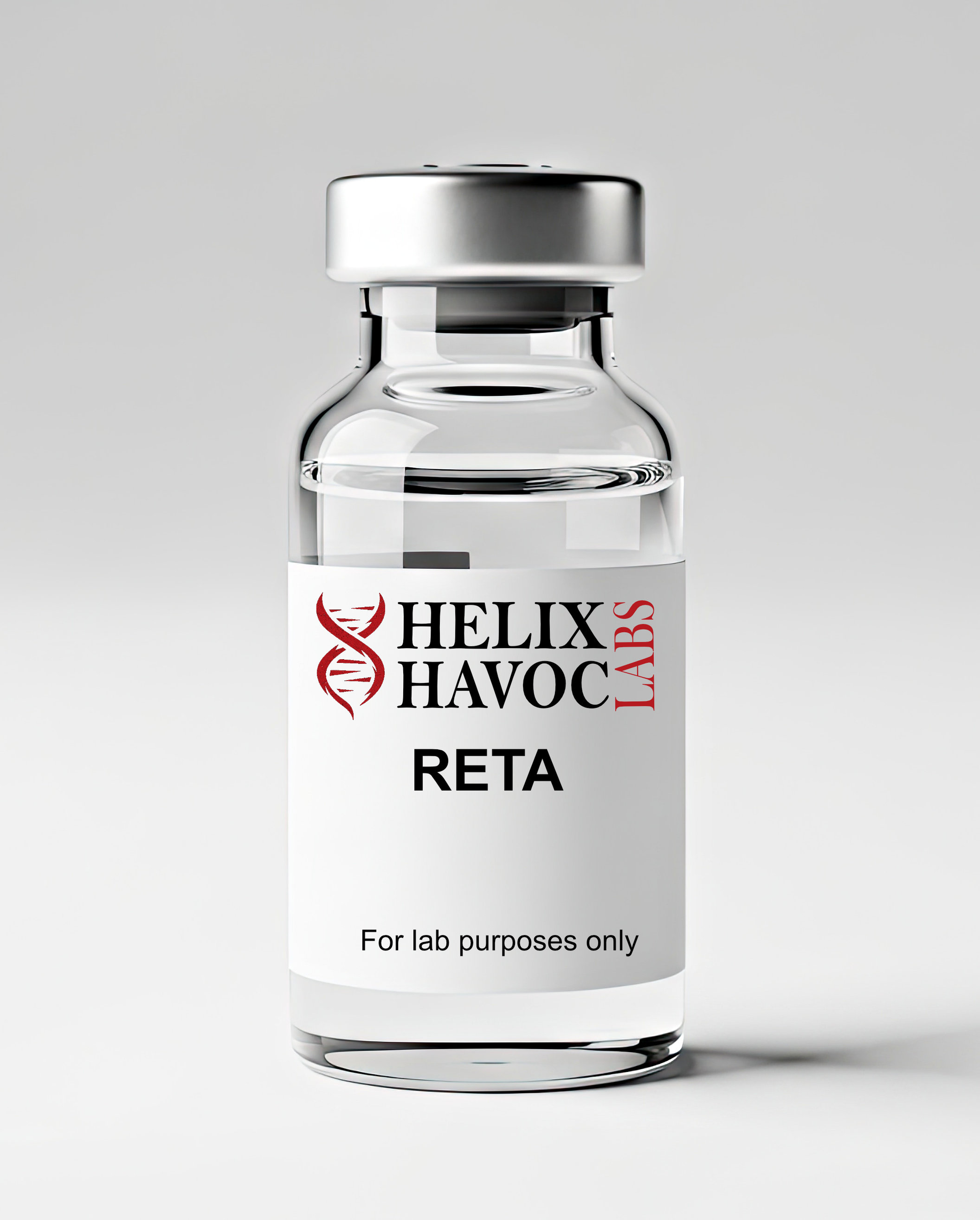
Helix Havoc Labs is dedicated to providing clear, factual information about peptides and their role in research. All peptides and chemicals offered by Helix Havoc Labs are for
research and development purposes only.
We believe that informed customers make responsible decisions, and our goal is to deliver educational resources that help clarify how peptides interact with the body’s natural systems.
Summary
- Peptides act as signaling molecules within the body.
- Their influence depends heavily on the internal environment they interact with.
- Nutrition, activity, sleep, and stress can modify peptide-related pathways.
- Peptides should be viewed as part of a larger biological picture, not an isolated solution.
- Helix Havoc Labs supports education, transparency, and responsible research.
Explore peptides studied for weight-management pathways.