
A Research-Focused Look at Glucose Regulation, Insulin Sensitivity, and Metabolic Pathways
Retatrutide, a next-generation investigational peptide, has gained significant attention in metabolic research for its multi-pathway activity. As a triple-agonist (GIP, GLP-1, and glucagon receptors), early studies suggest it may influence key systems involved in glucose regulation and insulin sensitivity.
🔬 Key Research-Identified Benefits Related to Diabetes
Improved Glycemic Control
Clinical trials have shown that retatrutide can lead to significant reductions in HbA1c, a primary marker used to track long-term blood sugar levels. These reductions were observed across multiple dosing groups in early-phase trials, indicating broad metabolic effects.
Increased Insulin Sensitivity
By activating multiple hormone pathways, retatrutide appears to support mechanisms that enhance the body’s response to insulin. Research indicates improved glucose uptake and reduced insulin resistance—both central challenges in type 2 diabetes.
Reduced Fasting Blood Glucose
Participants in studies experienced notable decreases in fasting glucose levels, suggesting that retatrutide may help stabilize blood sugar throughout the day, not just post-meal.
Effects on Weight-Related Metabolic Stress
Although weight loss is studied independently, reductions in body weight can indirectly contribute to improved metabolic markers. Retatrutide’s multi-agonist activity has been associated with substantial reductions in body weight, which may help reduce the metabolic load related to type 2 diabetes.
Potential Benefits for Beta-Cell Function
Emerging data suggests retatrutide may help support the health and efficiency of pancreatic beta cells, which are responsible for insulin production. Protecting these cells is considered crucial in slowing the progression of diabetes.
⚠️ Important Note
Retatrutide remains in clinical research and is not approved for the treatment, prevention, or management of diabetes. All findings are based on controlled study environments and should be interpreted within a research context only.
LINKS:

What if the root cause of aging starts inside your cells' power plants?

Why PT-141 Is Different From Viagra
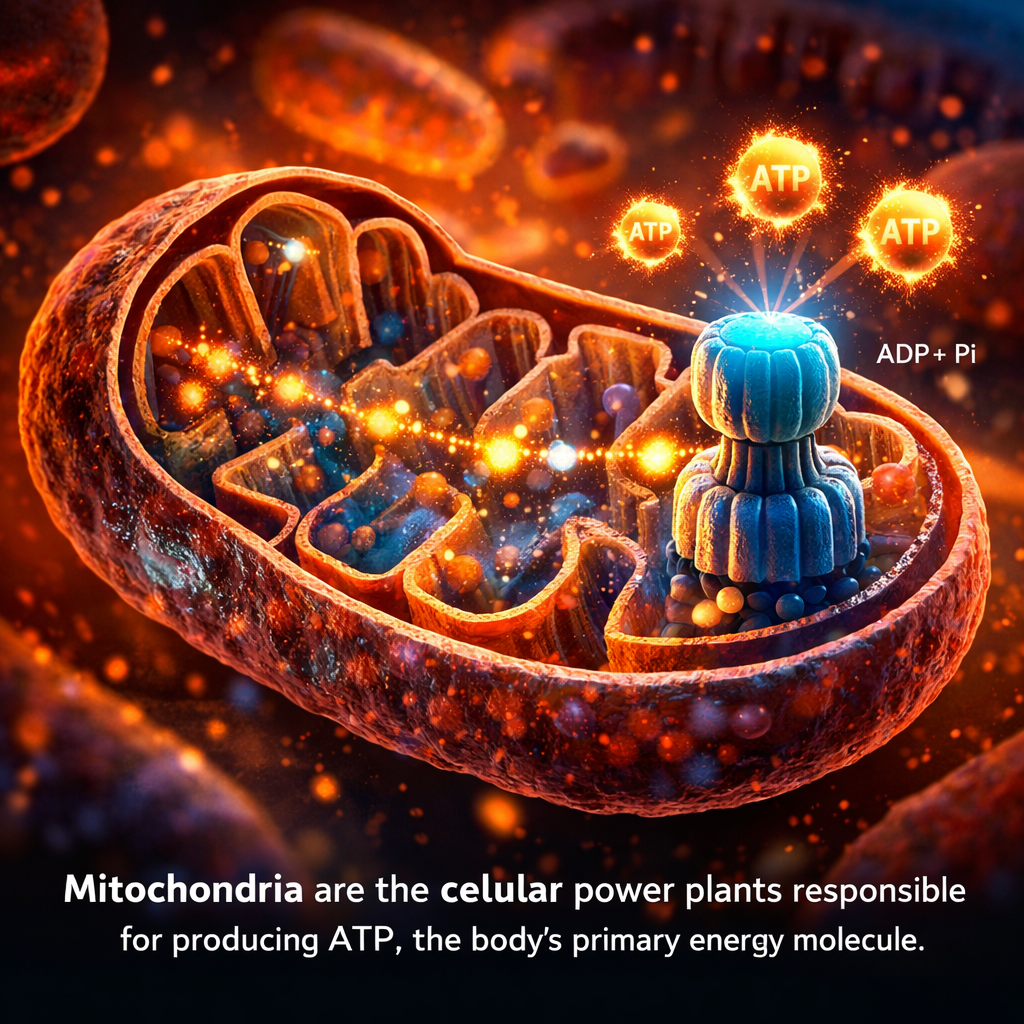
What if fatigue starts inside your cells?

Lab reference outlining safe handling, reconstitution considerations, and storage practices for research peptides.
Breaking Down Tesamorelin: The Science, the Pathways, the Purpose

Powerful Tools, Not Magic Fixes—Your Lifestyle Is the Real Formula.
A Deep Dive into the Next Generation of Metabolic Modulation